History has a funny way of happening at Trent Bridge, and nowhere does it seem to happen more often than in cricket’s most feted format.
Test cricket’s magic lies within the twists and turns that criss-cross a five-day encounter; the team dominant on day one can later find themselves fighting for their lives.
The concept of ‘moving day’ - although more commonly used to describe day three at a golf championship - can often equally be applied to day four of a Test match.
Trent Bridge has seen its fair share of seminal moments on the fourth day that have dramatically altered the course of a game; here, we recall five of the most memorable.
Witness more history at Trent Bridge in 2026 by securing your seats to day four of England Men v New Zealand here.
Bradman’s century unable to hold up England (1930)
Sir Donald Bradman is unquestionably the greatest batter the game has ever known, and it was on day four of a Trent Bridge Test, namely the first of the five-match 1930 Ashes series, that he struck his first century on English soil at the tender age of 21.
Bradman’s effort of 131 in 287 balls on the fourth day was not, though, enough to deter the hosts, who were hunting victory after setting Australia 429 to win in Nottingham.
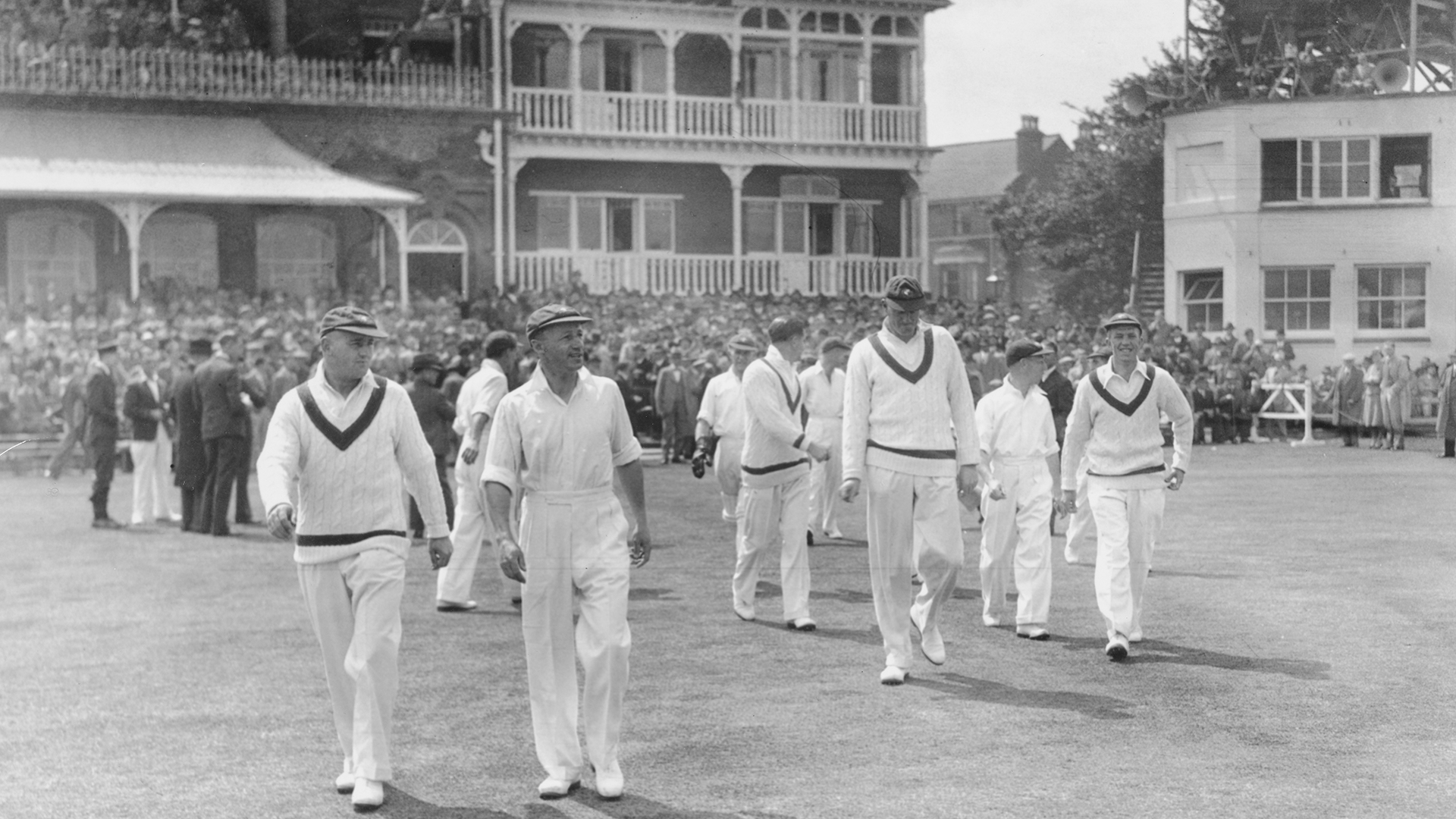
As it was, Bradman’s vigil did keep the game competitive and certainly at 267-4, the tourists may have remained interested - at least until Walter Robins bowled the all-time great to decisively swing the match England’s way.
The remaining five wickets went down for the addition of only 68 more runs, and although that did at least ensure Australia got within 100 of their target, it was not enough to stop the hosts taking a 1-0 lead in the series.
Statham takes five as India defeated (1959)
Brian Statham is naturally far more associated with the ground at which one of the ends bears his name, but with 28 Test wickets at 22.85, he actually possesses better numbers at Trent Bridge than at Old Trafford.
Five of those came in the second innings of the first Test in a five-match 1959 series, which England would go on to win by a 5-0 whitewash, and India were up against it from the beginning after conceding a first-innings deficit of 216 on their maiden visit to Nottingham.
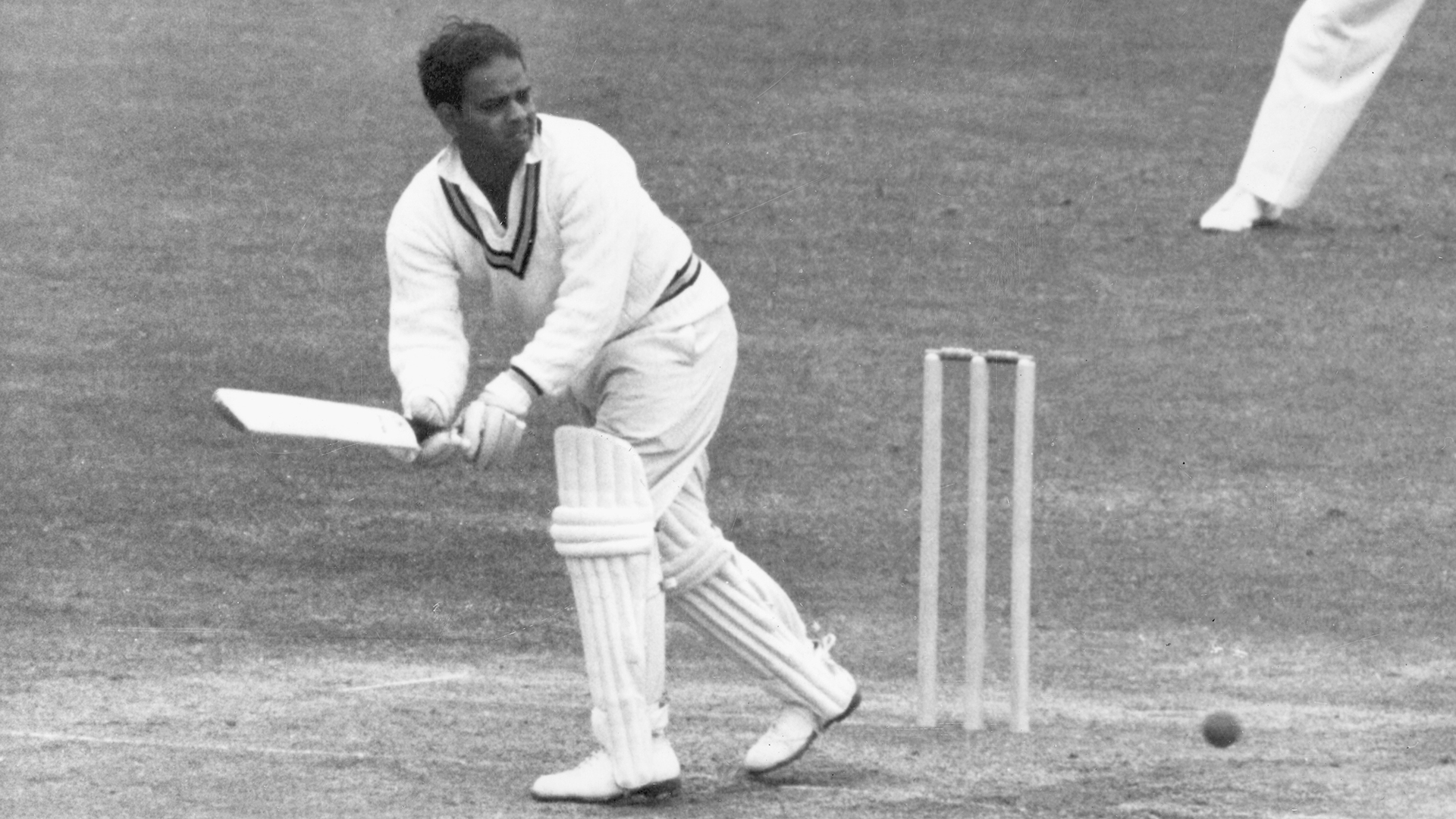
That was enough for England captain Peter May, who had struck a century earlier in the match, to enforce the follow-on, and Statham, having played second fiddle in the first innings to Fred Trueman’s 4/45, needed no further invitation to rip through the tourists again.
With India 96-3 heading into the fourth day, in which Statham had already taken two wickets, the Lancashire man went on to snare 5/31 as India were skittled for 157, handing England victory by an innings and 59 runs.
Gooch and Thorpe defy Warne (1993)
Making your debut in Test cricket is nerve-shredding enough, but to do so in the white-hot heat of an Ashes battle, with your side 2-0 down against the likes of Shane Warne and Merv Hughes, is an entirely different level.
Enter Graham Thorpe, whose second-innings 114 helped England secure a draw in the Trent Bridge Test of the 1993 Ashes while faced with that exact situation, as he and namesake Graham Gooch added 150 on day four to blunt Warne.
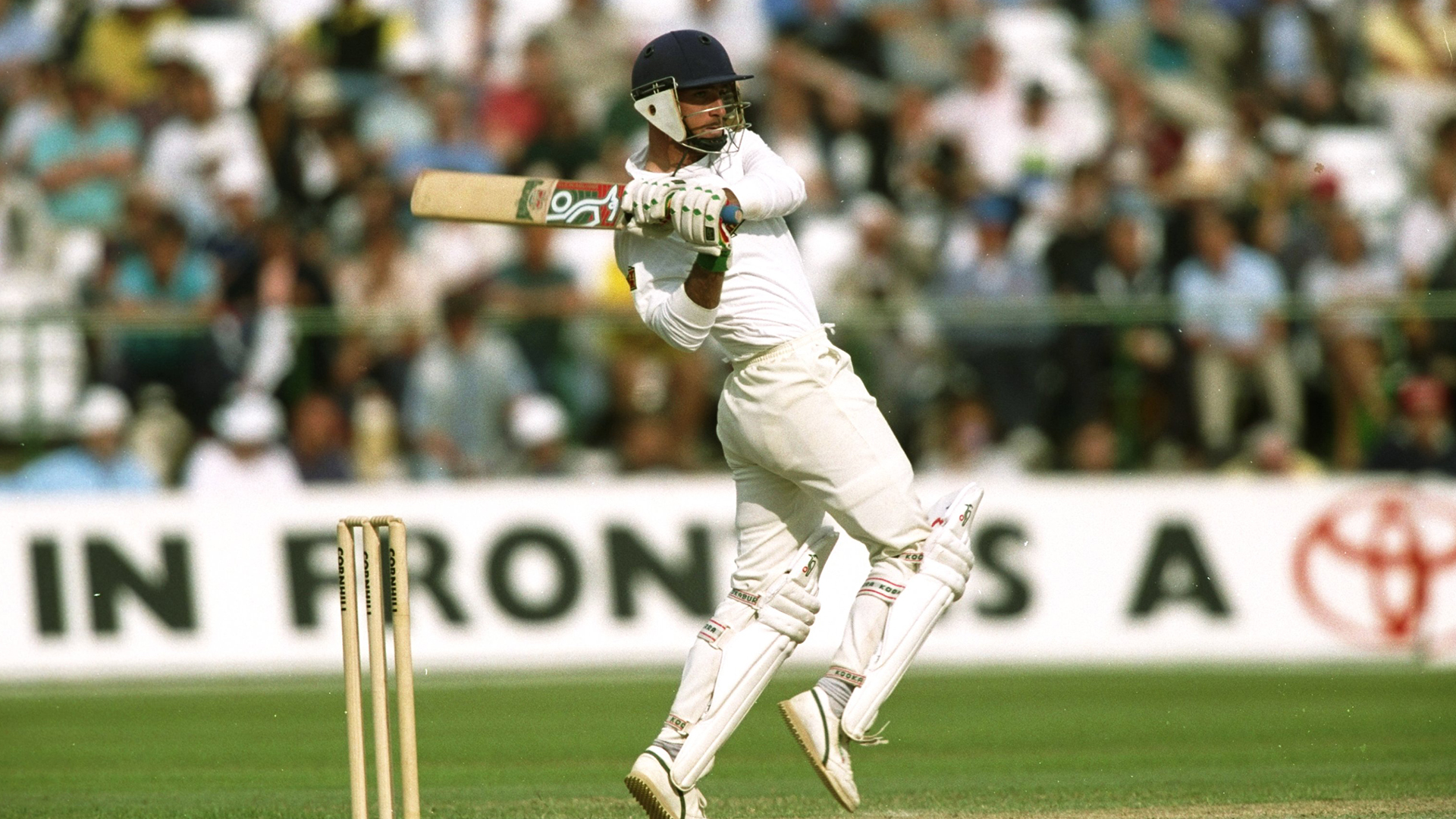
The rambunctious leg-spinner, then aged 23 and who had bowled the famed Ball of the Century to Mike Gatting just a month earlier, sent down 50 overs in England’s second innings as Australia aimed to take advantage of a first-innings lead worth 52.
Although he eventually dismissed Gooch, who was unbeaten on 12 heading into day four, for 120, he was unable to get the better of Thorpe, as the stand saw England from 122-4 to 362-6 on the penultimate day, and ultimately to the safe harbour of a draw.
England seal nerve-shredding win for the ages (2005)
Ah, 2005; that most famous of all Ashes summers. With the entire nation glued to their screens, England wrested back the urn from Australian hands for the first time in 16 years, and a home victory in the Trent Bridge Test, the fourth of the series, was integral to the outcome.
With England in possession of a 259-run advantage after both sides’ first innings, Michael Vaughan enforced the follow-on, only for Australia - even in spite of Gary Pratt’s famed run-out of Ricky Ponting - to go into day four on 222-4 and eventually respond with 387 all out.
That set the hosts 129 to win, a target that seemed simple enough, only for the pendulum to swing once more as Shane Warne and Brett Lee reduced them to 57-4.
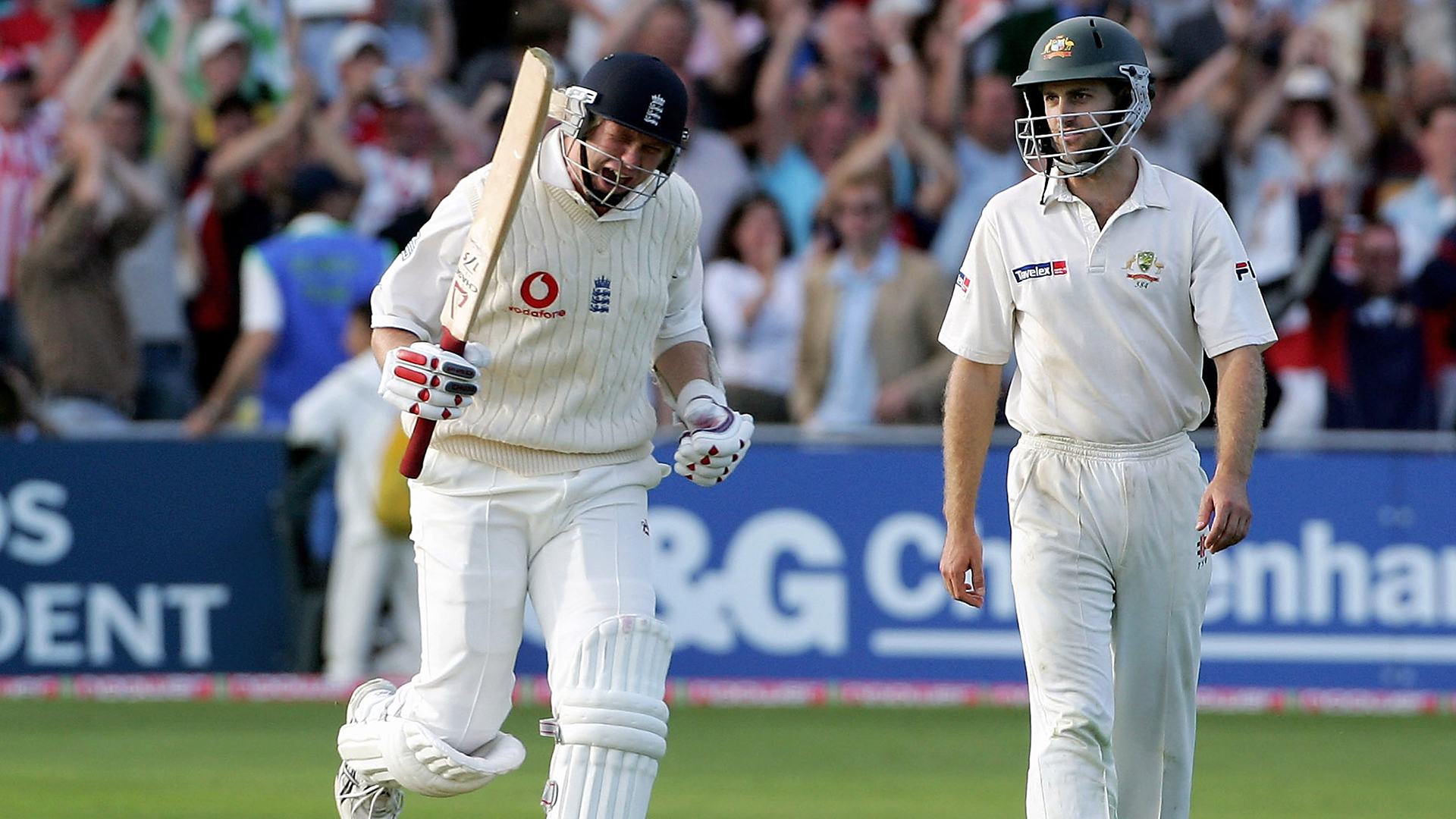
A vital stand of 46 between Kevin Pietersen and Andrew Flintoff took things closer, but when both were dismissed, and followed by Geraint Jones in the space of 23 balls, the equation read 13 to win, three wickets remaining.
Over to Ashley Giles and Matthew Hoggard, who, between them, eked out the required runs, bit-by-bit, in a nerve-jangling 20 minutes, before the former finally flicked Warne for the match-winning two.
The hosts had edged over the line, and history would follow at the Oval, as the urn was lifted by an Englishman for the first time since 1987.
Anderson’s six sees off Pakistan (2010)
Usually, talk of a memorable six in cricket refers to an almighty hit by a batter, but on day four against Pakistan in the first Test of a four-match series in 2010, the now-Sir Jimmy Anderson claimed a bowler’s half-dozen with his return of 6/17.
Having established immediate dominance by posting 354 before bowling the tourists out for 182, England drove home their advantage by declaring late on day three on 262-9.
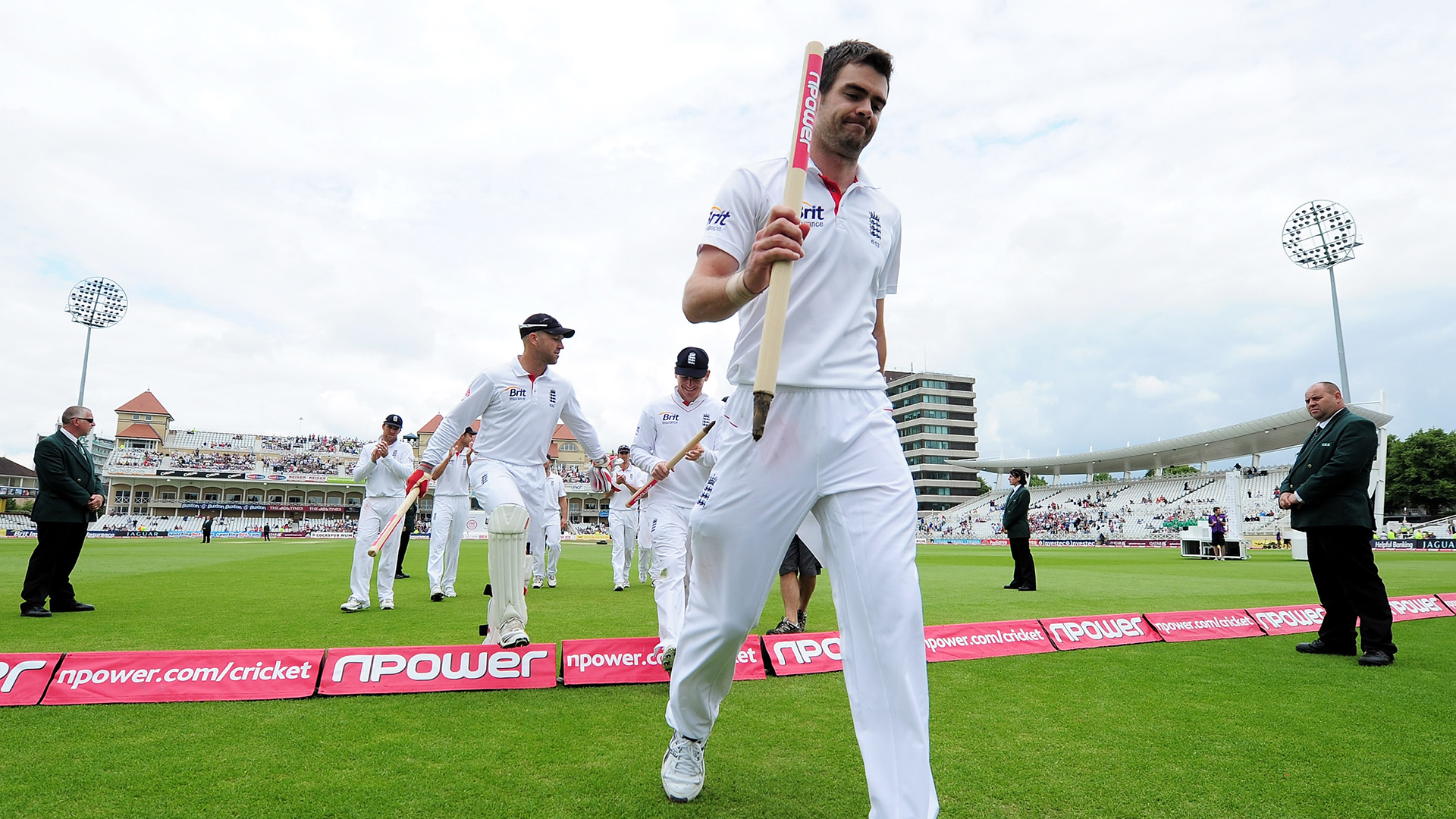
Anderson, who had already taken 5/54 in the first innings, claimed his first scalp of Pakistan’s second dig to reduce them to 15-3 at the start of day four. It was a position that put the tourists still 420 short of their nominal target, and an inspired Anderson proceeded to go even further.
He claimed his first wicket in the day’s eighth over, before three further scalps either side of noon brought up his second five-fer of the game. Fittingly, he then completed the job with the winning wicket, skittling the tourists for 80 and setting up a thumping 354-run England win.
*******